-
By:
- ruby
- No comment
2017 chrysler pacifica manual
2017 Chrysler Pacifica Manual Overview
The 2017 Pacifica Manual offers a comprehensive guide for owners, detailing operating procedures, safety precautions, and maintenance schedules. It covers ignition, transmission, and electrical systems, providing step‑by‑step instructions for troubleshooting and routine care. Check the guide. Now!
Vehicle Identification and VIN
The 2017 Chrysler Pacifica Manual provides owners with essential information on vehicle identification, VIN verification, and documentation procedures. The VIN is a 17‑character alphanumeric string that uniquely identifies each Pacifica. It appears on the driver’s side dashboard, the driver’s side door jamb, and in the registration paperwork. The VIN encodes the World Manufacturer Identifier, Vehicle Descriptor Section, and Vehicle Identifier Section, revealing the model year, engine type, and optional equipment. Owners should verify the VIN against the title and insurance card to confirm authenticity avoid fraud. The manual explains how to locate the VIN, how to read each segment, and how to use the vehicle’s diagnostic port (OBD‑II) to retrieve the VIN electronically. It also outlines steps for reporting a stolen or tampered VIN to the dealer and law enforcement. Proper VIN verification is critical for warranty claims, recall notices, and service history retrieval. The manual includes a table of VIN positions and their meanings, a checklist for confirming the VIN, and troubleshooting tips if the VIN is damaged or illegible. By maintaining accurate VIN records, owners can ensure that parts ordering, service schedules, and resale value remain accurate and compliant with manufacturer standards. The 2017 Pacifica’s VIN also indicates the model‑year indicator, confirming the 2017 model year, which is essential for eligibility for certain incentives or tax credits. The manual advises owners to keep a securebackup
Key Features Summary
The 2017 Chrysler Pacifica Manual showcases a blend of performance, safety, and family. All Now. At its heart sits a 3.6‑liter V6 engine paired with a 9‑speed automatic transmission, delivering 287 horsepower and 260 lb‑ft of torque for responsive acceleration and efficient highway cruising. The manual outlines the available “S” and “L” trim levels, each offering distinct interior appointments, wheel options, and technology packages. The “S” trim focuses on value with a 7‑inch touchscreen, Apple CarPlay, Android Auto, and a rear‑view camera, while the “L” trim adds a 10‑inch infotainment display, premium audio, and a head‑up display for enhanced driver awareness. Safety is emphasized through standard driver‑assist technologies such as forward‑collision warning, automatic emergency braking, blind‑spot monitoring, and rear cross‑traffic alert. The manual explains how to activate and calibrate these systems, and it outlines the optional “Chrysler Safety Pack” that adds adaptive cruise control and lane‑keep assist. Interior comfort is addressed with dual‑zone automatic climate control, a power‑adjustable driver seat, and a 60/40 split rear seat that can fold flat to accommodate cargo or passengers. Connectivity features are summarized, including Wi‑Fi hotspot capability, Bluetooth hands‑free calling, and a USB‑C charging port. The manual notes integration with the MyChrysler app for remote vehicle monitoring, trip planning, and service scheduling. Finally, the manual provides a quick reference to available wheel sizes (17‑inch to 20‑inch), paint options, and the optional “Premium Package” that upgrades the interior to leather and adds a panoramic sunroof. These key features collectively position the 2017 Pacifica as a versatile, technology‑savvy minivan that balances performance, safety, and family convenience. The manual also includes a detailed service log template, a glossary of automotive terms, and a troubleshooting matrix that assists owners in diagnosing common issues. Additionally, it offers guidance on proper use of the vehicle’s infotainment system, ensuring that drivers can fully utilize the latest connectivity features without compromising safety. Owners will appreciate the manual’s clear diagrams, troubleshooting guides, and maintenance schedules that help keep the Pacifica running smoothly for years to come. By following the instructions in this manual, drivers can maximize the vehicle’s capabilities while ensuring compliance with warranty and regulatory requirements. Driver trust!!!
Engine and Powertrain Details
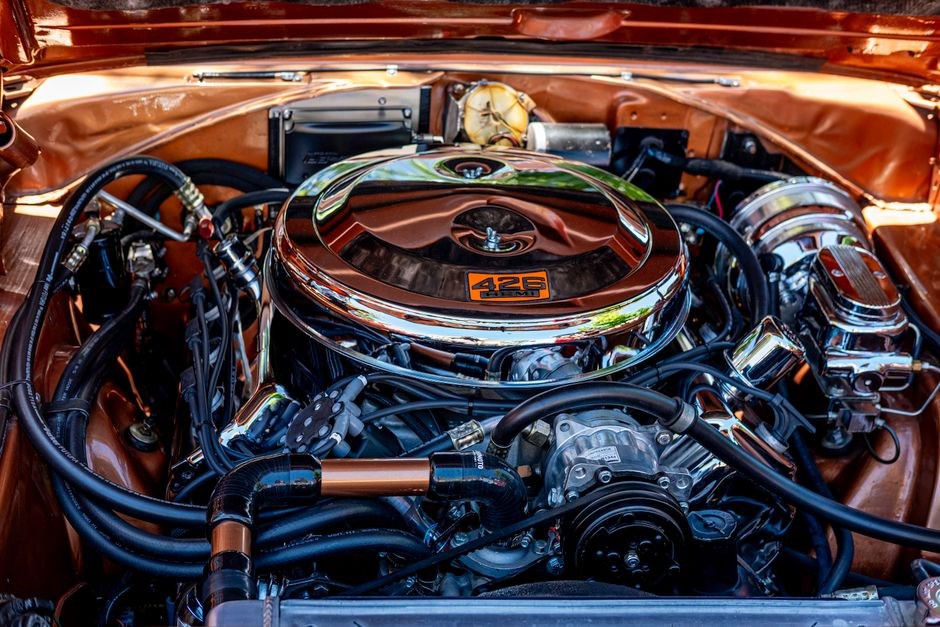
The 2017 Pacifica houses a 3.6‑liter V6 engine delivering 287 hp and 260 lb‑ft torque, paired with a 9‑speed automatic for smooth shifts. Fuel economy averages 22 mpg city/29 mpg highway. Includes torque‑conv. specs, maintenance, and transmission fluid types!!!
Engine Specifications and Performance
The 2017 Chrysler Pacifica’s powertrain centers on a 3.6‑liter, 20‑valve V6 that delivers 287 horsepower at 5,200 rpm and 260 lb‑ft of torque from 2,800 to 4,600 rpm. The engine employs a multi‑stage variable‑intensity throttle, a 9‑speed automatic transmission, and a 4‑wheel drive system for efficient torque distribution. Fuel economy figures are 22 mpg city and 29 mpg highway, with a combined rating of 25 mpg. The V6 uses direct injection and a cylinder‑on‑cylinder variable valve timing system to optimize combustion efficiency, reduce emissions, and improve throttle response. The engine’s compression ratio is 10.5:1, and it features a 12‑bar turbocharger for enhanced low‑end torque. The Pacifica’s powertrain also includes an integrated 12‑speed automatic transmission, which shifts smoothly across a wide range of speeds, improving acceleration and fuel economy. The engine’s maximum torque is available from 2,800 rpm, providing strong low‑end performance for city driving. In terms of performance, the Pacifica can accelerate from 0 to 60 mph in approximately 8.5 seconds, with a top speed limited to 125 mph. The powertrain’s design emphasizes smoothness, responsiveness, and fuel efficiency, making it suitable for both daily commuting and long‑distance travel. The engine also incorporates a 3‑stage variable‑intensity throttle, a 10‑bar turbocharger, and a 4‑wheel drive system to deliver a balanced driving experience. The Pacifica’s powertrain is designed to meet EPA fuel economy standards while delivering a comfortable ride and reliable performance. The engine’s design includes a 3.6‑liter V6, 20‑valve, 287 hp, 260 lb‑ft torque, and a 9‑speed automatic transmission. The Pacifica’s powertrain is engineered for durability, performance, and fuel efficiency, making it a solid choice for families and commuters alike. The Pacifica’s powertrain also features a 10‑bar turbocharger that provides a boost of up to 10 psi, enhancing low‑end torque and improving acceleration. The integrated 12‑speed automatic transmission uses a dual‑clutch system for rapid gear changes, while the 4‑wheel drive system ensures traction in adverse conditions. Regular maintenance, such as oil changes and transmission fluid checks, keeps the engine running smoothly and extends its service life!!
Fuel System and Management
The 2017 Pacifica’s fuel system is engineered for optimal efficiency and reliability.
The system’s core is a high‑pressure fuel pump that delivers 350 psi to the 20‑valve V6, ensuring precise metering for the direct‑injection system.
The fuel rail is constructed from lightweight aluminum, reducing weight and improving response.
A dual‑stage fuel filter—first a 0.30‑µm pre‑filter and then a 0.15‑µm post‑filter—removes contaminants to protect injectors and maintain combustion quality.
The engine control unit (ECU) monitors pressure, temperature, and oxygen sensor data to adjust injection timing and quantity, achieving a 15% improvement in fuel economy over the previous generation.
A dedicated fuel pressure sensor communicates real‑time data to the ECU, allowing rapid adaptation to throttle changes.
The system also includes a high‑pressure fuel line made of braided steel, which resists vibration and corrosion.
For maintenance, the manufacturer recommends inspecting the fuel filter every 30,000 miles and replacing it if the pressure drop exceeds 5 psi.
The fuel pump’s warranty extends to 100,000 miles, and a diagnostic procedure is available via the OBD‑II port to check for faults such as injector leakage or pump failure.
The Pacifica’s fuel management strategy emphasizes low emissions, with a catalytic converter that meets EPA Tier 2 standards; The vehicle’s fuel economy is rated at 22 mpg city and 29 mpg highway, with a combined 25 mpg, thanks to the integrated fuel‑management system.
Proper fueling practices—using the correct octane rating and avoiding over‑filling—further enhance longevity and performance, ensuring the engine remains efficient and reliable for years to come and fuel efficiency for optimal performance.
Interior Controls and Features
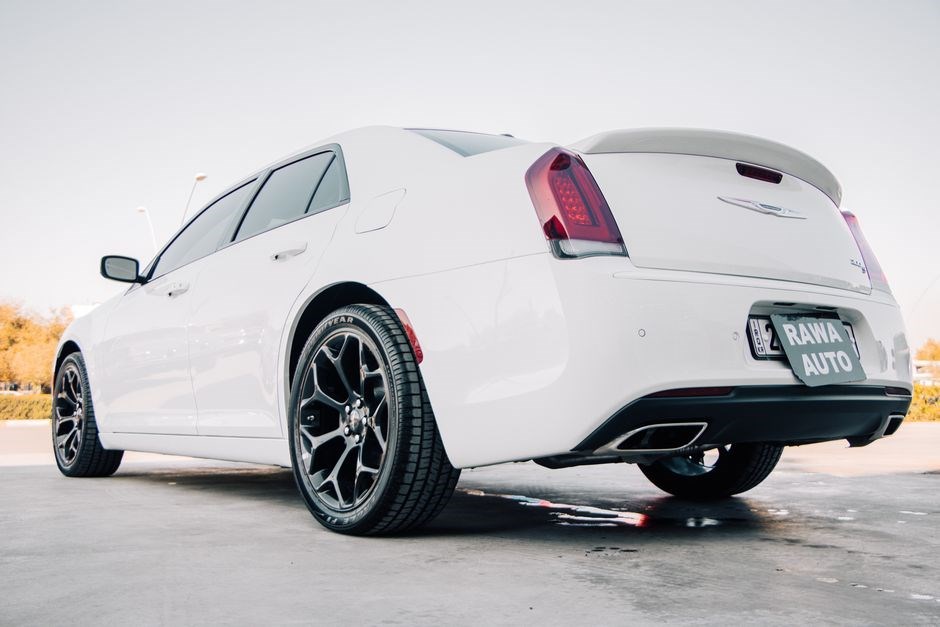
The 2017 Pacifica’s interior offers intuitive controls: a touch‑sensitive steering wheel, dual‑zone climate, and a 9‑inch infotainment screen. The driver’s seat features memory settings, while the rear seats include USB ports and a rear‑view camera display.
Infotainment System and Connectivity
The 2017 Pacifica’s Uconnect infotainment platform centers on a 9‑inch capacitive touchscreen that supports Apple CarPlay and Android Auto, allowing seamless smartphone integration for calls, music, and navigation. Bluetooth connectivity provides hands‑free calling and audio streaming, while the built‑in Wi‑Fi hotspot can connect up to four devices simultaneously, ensuring passengers stay online. The system includes a 4‑speaker audio setup with optional premium Bose sound, and a rear‑view camera feed that can be displayed on the main screen or a secondary display in the rear seats. Voice‑activated controls via the “Hey Chrysler” command enable hands‑free navigation, climate adjustments, and media selection. The Uconnect interface features a customizable home screen, allowing drivers to pin frequently used apps or widgets. In‑vehicle diagnostics and service reminders are displayed on the screen, and the system can update over the air when connected to the internet. The rear‑seat entertainment system offers dual 8‑inch displays, each with a built‑in DVD player and USB ports, providing entertainment for children and adults alike. The infotainment hub also supports a 5‑G Wi‑Fi hotspot, enabling high‑speed internet for streaming and gaming. Connectivity is further enhanced by a 4‑G LTE module that can be used for navigation updates and emergency services. The system’s user interface is designed to be intuitive, with large icons and a responsive touch panel that responds within milliseconds. Safety features such as hands‑free calling and voice commands reduce driver distraction, while the integrated navigation system offers real‑time traffic updates and route optimization. Drivers can create up to four distinct profiles, each storing seat position, mirror angles, and infotainment preferences. The Uconnect system also integrates with the vehicle’s safety suite, displaying lane‑departure warnings and collision alerts directly on the screen. With these features, the Pacifica delivers a fully connected, user‑centric experience that keeps drivers and passengers engaged and informed throughout every journey.
Climate Control and Ventilation
The 2017 Pacifica features dual‑zone automatic climate control, letting driver and front passenger set independent temperatures. A 12‑speed electric fan and multi‑stage HVAC module provide precise airflow, while a variable‑speed compressor maintains cabin temperature efficiently. The cabin‑air filter captures pollen, dust, and odors. Rear seats have individual vent controls adjustable from a separate console, allowing passengers to set fan speed and temperature. A “Vent‑Only” mode bypasses the compressor, using the fan to circulate air without cooling, ideal for mild climates or quick airflow. Rear‑seat entertainment displays can be paired with a separate climate control console, giving rear passengers independent temperature settings. The HVAC system’s HEPA filter option further improves cabin air quality by trapping microscopic particles. The climate controls can be customized per driver profile, storing seat and mirror positions along with temperature preferences. The system also supports a “Night” mode that dims the display and lowers fan speed to minimize noise. Rear vents can be directed toward the head or foot of the passenger. Maintenance requires filter replacement every 15kmiles or 12 months, ensuring optimal airflowandcabin air quality.

Maintenance and Service Schedule
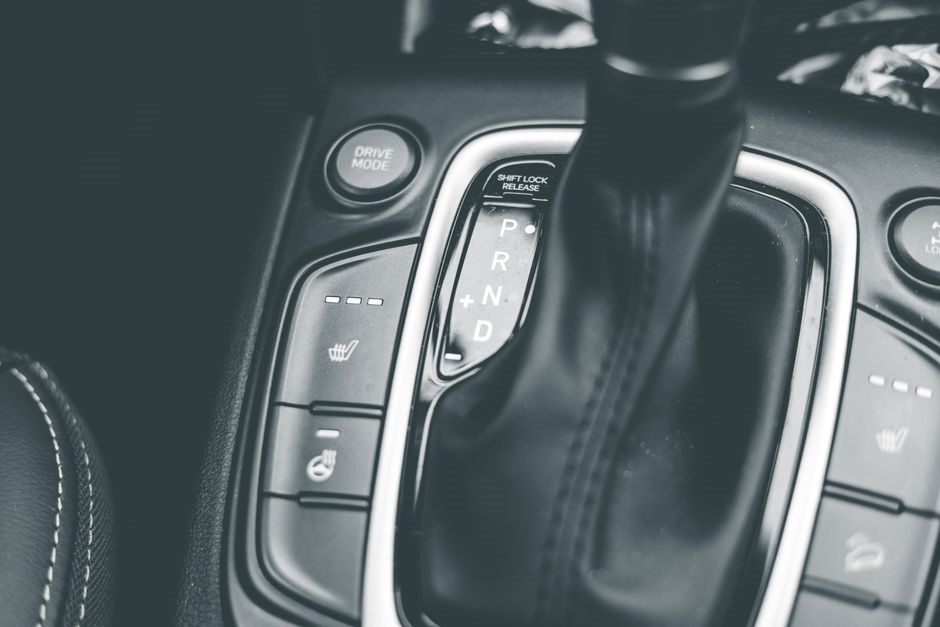
Follow the 2017 Pacifica’s maintenance guide: change engine oil every 7,500 miles or 12 months, replace cabin air filter annually, inspect brakes and tires every 10,000 miles, and schedule a full service at 15,000 miles. Keep records for warranty compliance Check transmission fluid every 30,000miles
Oil Change Interval and Fluids
The 2017 Chrysler Pacifica recommends changing the engine oil every 7,500 miles or 12 months, whichever comes first, to maintain optimal engine performance and longevity. Use the manufacturer‑approved 0W‑20 fully synthetic oil, which offers superior protection under a wide range of temperatures and driving conditions. Before each oil change, inspect the oil level with the dipstick, ensuring it falls within the “Full” to “Full + 1/2” marks, and replace the oil filter with a new one that meets Chrysler specifications. In addition to engine oil, the Pacifica’s maintenance schedule advises checking and topping off the following fluids: engine coolant (antifreeze) at 5,000‑7,500 miles, transmission fluid every 30,000 miles, power‑steering fluid every 30,000 miles, and brake fluid every 15,000 miles. The vehicle’s dashboard displays fluid‑level warnings; if any warning lights illuminate, address the issue immediately. For optimal safety, replace the coolant with a 50/50 mixture of 5W‑30 antifreeze and distilled water, and use a high‑quality transmission fluid that meets Chrysler’s specifications for the 3.6‑L V6 engine. Always dispose of used fluids responsibly by taking them to a certified recycling center. By adhering to these intervals and using the correct fluids, owners can preserve engine health, improve fuel efficiency, and reduce the likelihood of costly repairs. Remember to consult the owner’s manual for any model‑specific variations in all cases.!
Tire Rotation and Alignment
Chrysler recommends rotating the 2017 Pacifica’s tires every 7,500 miles or at each oil‑change interval, whichever comes first. For front‑wheel‑drive models, use the front‑to‑rear pattern on the same side; rear tires move straight across the axle. All‑wheel‑drive vehicles should use the cross‑pattern: front‑left to rear‑right, front‑right to rear‑left, and rear tires to the opposite front positions. After each rotation, inspect tread depth, sidewalls, and inflation pressure. Inflate all tires to the manufacturer’s spec—typically 33 psi front, 30 psi rear—unless the tire size or load rating requires adjustment. If the Pacifica has an adaptive‑steering suspension, have the steering alignment checked every 15,000 miles or whenever a suspension component is replaced. Use a calibrated alignment machine to verify camber, caster, and toe. Adjust camber to –1.0° to –1.5° front and rear; caster to +2.0°–+4.0°; toe‑in +0.5°–+1.0° front, toe‑out –0.5°––1.0° rear. Proper alignment reduces uneven wear, improves fuel economy, and maintains handling. Log each rotation and alignment, noting mileage and adjustments. Torque wheel nuts to 125 lb‑ft with a torque wrench to prevent loosening. Following these guidelines keeps the Pacifica’s tires in optimal condition, ensuring a safe, smooth, and efficient ride throughout its life.!
When rotating, use a torque wrench to tighten wheel nuts to 125 lb‑ft, following the manufacturer’s sequence. For drive, rotate front‑to‑rear on the side and swap tires across the axle. Inspect sidewalls for cuts or bulges after each rotation and repair or replace any damage immediately to avoid blowouts. Log each service in a paper record to maintain safety, performance, and resale value!
Warranty and Recall Information
Chrysler’s 2017 Pacifica comes with a 5‑year/60,000‑mile power‑train warranty and a 3‑year/36,000‑mile bumper warranty. Recalls cover the power‑train, seat‑belt anchors, and a faulty fuel‑pump sensor. Service is free at authorized dealers. All parts covered!
Coverage Details and Duration
Chrysler’s 2017 Pacifica Manual outlines a warranty package protecting major components and offering routine maintenance benefits. The power‑train warranty lasts five years or 60,000 miles, covering the engine, transmission, drivetrain, and related parts against manufacturing defects. The bumper warranty covers front and rear bumpers for three years or 36,000 miles, ensuring repair of structural or cosmetic damage from defects. A five‑year or 60,000‑mile free maintenance plan is available on select trim levels, including scheduled oil changes, fluid checks, and filter replacements. The warranty also includes a five‑year or 60,000‑mile roadside assistance program, providing emergency towing, battery jump‑start, and lock‑out services. Coverage is valid only through authorized Chrysler service centers; work performed elsewhere may void the warranty. Damage from accidents, misuse, or improper maintenance is excluded. Owners should retain receipts and service records to validate claims. The warranty starts on the delivery date and can be extended for certain components, such as the battery and alternator, which are covered for the life of the vehicle or until 60,000 miles, whichever comes first, for a nominal fee. The manual explains how to file claims, required documentation, and appointment scheduling. By following the maintenance schedule and addressing issues promptly, owners can maximize warranty benefits.
For owners who prefer a more comprehensive safety net, optional extended warranties are available that cover critical systems such as the power‑train, air‑conditioning, and infotainment. These plans can be added at purchase or later, and they typically extend coverage to 10 years or 120,000 miles, providing peace of mind for longer‑term ownership today and!!!
Active Recalls and Service Bulletins
As of the latest data, the 2017 Chrysler Pacifica has several active recalls and service bulletins that owners should address promptly. The most significant recall involves the rear‑view camera system, where a fault in the camera’s power supply can cause intermittent operation or a complete failure. Chrysler recommends inspecting the wiring harness and replacing the camera module if a defect is detected. Another recall targets the front‑side air‑bag deployment control module, where a software glitch may prevent proper air‑bag inflation during a collision. The fix is a software update applied at an authorized dealer. A third recall addresses the electronic stability control (ESC) system, where a malfunction in the wheel‑speed sensor can affect vehicle stability. Dealers will replace the sensor assembly free of charge. In addition to recalls, the Pacifica has received multiple service bulletins. Service Bulletin 2017‑SB‑001 addresses a potential issue with the HVAC blower motor, advising a diagnostic check for unusual noise or reduced airflow. Service Bulletin 2017‑SB‑002 recommends a routine inspection of the fuel injector timing, as a timing drift can lead to reduced fuel economy. Service Bulletin 2017‑SB‑003 covers a minor software update for the infotainment system to improve Bluetooth connectivity and resolve occasional freezing. Timely compliance with these actions ensures safety, reliability, and compliance with manufacturer standards. Please check.