
-
By:
- ruby
- No comment
planning a celebration of life a simple guide pdf
Overview of a Celebration of Life
Planning a Celebration of Life with a guide PDF transforms grief into a meaningful tribute. It outlines venue selection, music curation, catering options, personal keepsakes, and memory‑sharing activities. The checklist ensures every detail honors the loved one’s story, making the event memorable and comforting.!!
Purpose and Significance
When a loved one passes, a Celebration of Life offers a chance to honor their journey and the impact they had on those around them. The simple guide PDF serves as a roadmap, ensuring that every detail— from the opening remarks to the final toast— reflects the person’s unique story. By gathering family, friends, and community, the event becomes a shared act of remembrance that fosters healing and connection. The guide’s checklist format, highlighted in recent resources, helps organizers focus on meaningful moments rather than logistical overwhelm. A well‑planned celebration turns grief into gratitude, allowing attendees to celebrate achievements, values, and memories that will continue to inspire long after the ceremony ends. This intentional tribute not only preserves the legacy of the departed but also provides comfort to those left behind, reinforcing the idea that life, even in its loss, can be celebrated with love, laughter, and collective support.
Additional reflections emphasize that a Celebration of Life is not just a memorial but a celebration of the person’s passions, relationships, and the joy they brought into others’ lives. By sharing anecdotes, songs, and personal artifacts, attendees create a living memory that continues to inspire. The guide encourages thoughtful organization, allowing families to focus on honoring the legacy rather than being overwhelmed by logistics. This balanced approach ensures that the event remains heartfelt, inclusive, and ultimately healing for everyone involved.
Ultimately, the guide’s purpose is to provide structure and reassurance during a difficult time, ensuring that the celebration remains true to the individual’s spirit. By following the checklist, families can create a meaningful tribute that honors the departed, supports the living, and celebrates the enduring impact of a life well lived.
Feel free to personalize the guide further to reflect the unique aspects of your loved one’s life.
Feel free to adjust any section to match traditions, ensuring celebration remains a true reflection of the person’s lifenow.!

Preparing a Printable PDF Guide
Create a user‑friendly PDF by selecting a clean layout, clear fonts, and high‑resolution images. Include sections for agenda, speaker bios, photo gallery memory box. Use a consistent color scheme that reflects the honoree’s personality. Test print on cardstock for durability.
Designing the Document Layout
When crafting a printable PDF guide for a celebration of life, start by selecting a standard page size such as 8.5″×11″ to ensure compatibility with most printers. Set 0.75″ margins on all sides to provide ample white space, which improves readability and gives the document a polished look. Use a clean, serif font like Garamond or Times New Roman for body text at 11–12 points, and a contrasting sans‑serif font for headings to create visual hierarchy. Keep the color palette muted—soft blues, greys, or earth tones—so the focus remains on the content rather than flashy graphics. Incorporate a header on each page that includes the event title, date, and a subtle logo or emblem; a footer can list page numbers and a brief dedication line. For images, choose high‑resolution photos that capture the honoree’s essence; place them in a single column layout to avoid clutter, and wrap text around them with a 0.25″ gutter. Use consistent spacing: 1.5 line spacing for body text, 2.0 for headings, and 12‑point vertical space between sections. Add a table of contents at the beginning with clickable links to each major section, enhancing navigation; Finally, export the document as a PDF/X‑1a:2001 to guarantee that fonts and images remain intact across all devices. Test the PDF on both screen and print to confirm that the layout holds up under different viewing conditions. Additionally, embed QR codes linking to a digital memory book, ensuring guests can access photos and tributes on their devices and share us. This bridge keeps the celebration alive after event. for all now!!

Selecting the Venue
Choose a venue that reflects the honoree’s personality—parks, churches, or community halls offer intimate settings. Ensure accessibility, parking, capacity match guest list. Verify permits, insurance, and catering policies. A well‑chosen space sets the tone for a heartfelt celebration.

Criteria for Venue Choice
Selecting a venue for a celebration of life requires thoughtful consideration of several key factors. First, accessibility is paramount; the location should accommodate guests of all ages and mobility levels, with clear pathways, ramps, and ample parking. Second, the ambiance should reflect the spirit of the honoree—whether a serene garden, a cozy community hall, or a familiar church setting. Third, capacity matters; choose a space that comfortably fits the expected guest list while allowing room for future adjustments. Fourth, logistical support is essential—verify that the venue offers reliable audio‑visual equipment, Wi‑Fi, and power outlets for speakers, recordings, and digital tributes. Fifth, catering compatibility should be confirmed; many venues have preferred vendors or allow outside catering, but policies on food service, cleanup, and kitchen access must be clarified. Sixth, consider the venue’s policies regarding decorations, lighting, and music; some places permit elaborate displays, while others have restrictions on candles or amplified sound. Seventh, evaluate the cost structure—look for transparent pricing, deposit requirements, and cancellation terms. Eighth, check for insurance coverage or liability waivers; ensuring the venue’s insurance protects guests and staff is a prudent step. Ninth, review the venue’s accessibility to public transportation and proximity to hospitals or emergency services. Tenth, gather references or testimonials from previous events held there, and if possible, schedule a site visit to assess the space in person. By systematically addressing these criteria, families can secure a venue that honors the loved one’s memory, accommodates guests, and supports the needs of a celebration of life in a heartfelt way.
Choosing Music and Audio
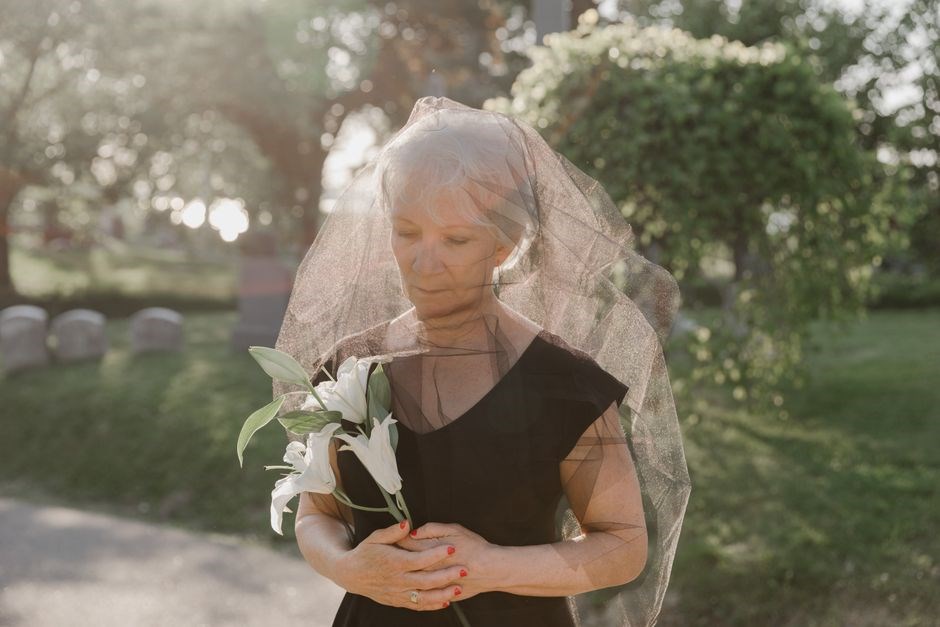
Music sets tone. Start with the honoree’s favorites, then add hymns or instrumental pieces that evoke calm. Use a local DJ or a simple playlist on a laptop, ensuring speakers are positioned for clear sound. Include moments for live readings or a quiet interlude to honor memories.!

Curating a Playlist
Music is the heartbeat of a Celebration of Life. Start by collecting the honoree’s favorite songs, hymns, or instrumental pieces that capture their spirit. Build a master list and divide it into four phases: welcome, remembrance, celebration, and farewell. Blend lively tracks that evoke joy with soothing melodies that invite reflection. When choosing audio, match the volume and quality to the venue: a larger hall may need a PA system, while a cozy setting can use a portable speaker. Record a brief spoken introduction for each segment, perhaps from a family member or close friend, linking the music to a cherished memory. This narrative layer turns a simple playlist into a guided emotional journey. Store the final mix on a USB drive or cloud platform, and run a full rehearsal to catch any technical hiccups. Offer a few flexible slots for guest song requests, but keep the core structure to maintain the tribute’s flow. By carefully curating each track and pairing it with personal stories, you honor the loved one’s legacy while creating a comforting, celebratory atmosphere that brings everyone together. Secure any needed licenses or use royalty‑free tracks to avoid legal issues. A brief interlude of ambient sounds can offer a peaceful pause.

Food and Refreshments
Choose a menu that reflects the honoree’s tastes, offering comfort foods and lighter options. Include a mix of hot dishes, salads, desserts, and vegetarian, vegan, allergy‑friendly choices. A handwritten menu card adds a personal touch, while a beverage station with water, tea, and coffee keeps guests refreshed. now!
Catering Options
When drafting a Celebration of Life menu, begin by selecting a catering partner who specializes in memorial events. A reputable vendor will offer flexible packages that can accommodate small family gatherings or larger community celebrations. Their experience with dietary restrictions and the ability to provide a seamless service flow are essential qualities.
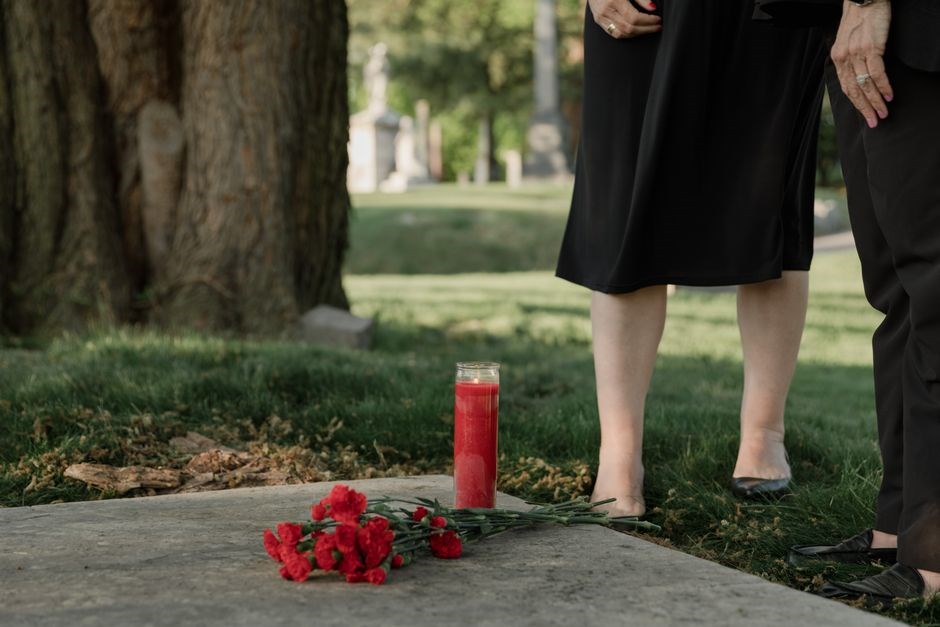
Menu design should reflect the honoree’s favorite flavors while maintaining a comforting, approachable style. Consider a buffet format for easy movement, or plated courses for a more formal atmosphere. Incorporate seasonal produce, a signature dish that honors a personal memory, and a dessert station that encourages sharing stories over sweets.
Dietary inclusivity is a hallmark of a thoughtful celebration. Offer vegetarian, vegan, gluten‑free, and allergy‑friendly options, clearly labeled on the menu board. Many venues now provide a “menu customization” service, allowing you to swap ingredients or add a special dish that resonates with the family’s narrative.
Logistics such as timing, serving staff, and table setup should be coordinated in advance. A dedicated catering coordinator can manage the arrival of food, ensure proper temperature control, and handle any last‑minute adjustments. Providing a clear timeline to the vendor will help maintain the flow of the event and reduce stress for the hosts.
Remember, catering experience extends celebration’s tone. A coordinated service team turns simple dishes into shared memories, letting guests focus on remembrance !!

Personal Touches and Keepsakes
A simple guide PDF suggests creating a memory wall, photo collage, or personalized keepsakes like engraved bookmarks. Invite guests to write notes, share stories, and place them in a time capsule. These tangible mementos honor the loved one’s legacy, fostering connection and healing. A heart keepsake keeps memories now
Memory Sharing Activities
Invite guests to share stories, anecdotes, and favorite memories in a structured format. Provide a “memory book” where attendees write notes beside photos of the honoree, creating a tangible keepsake. Encourage video tributes: ask family and friends to record short clips, compile them into a montage, and play during the event. A “memory jar” can collect written memories, poems, or song lyrics, which are read aloud or displayed. Interactive timelines or digital slideshows allow guests to add their own memories in real time. Consider a “memory wall” with post‑it notes or a photo collage that evolves as people contribute. These activities honor the legacy, foster connection, and provide comfort to all present.
During the ceremony, a digital photo slideshow can be displayed, allowing guests to view images while sharing their memories aloud. A live streaming option ensures remote loved ones can participate. A dedicated memory board invites guests to write or pin notes, creating a visual tapestry that evolves throughout the event. Additionally, a “memory tree” can be set up where each leaf represents a story, and guests can attach their own leaves. These interactive elements foster a sense of community and help honor the individual’s life in a personal, meaningful way.
To enrich the experience, consider a moment of silence or a candle lighting ceremony, allowing everyone to reflect. A table with tokens, such as photo bookmarks, can be set up for guests to keep. These thoughtful additions create a atmosphere that celebrates the life lived.
Guests leave a candle as symbol.
Share memories
Checklist for Finalizing the Celebration
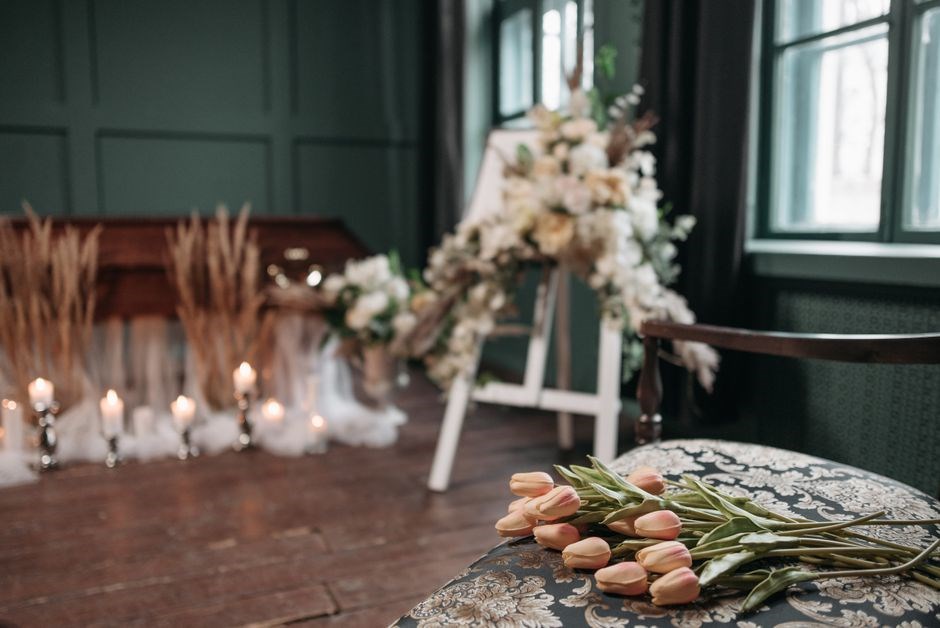
Confirm venue, send invites, finalize catering, lock in music, set up décor, arrange seating, test audio, prepare signage, confirm RSVPs, secure transport, order flowers, print programs, gather supplies, rehearse timeline, finalize budget, send thank‑you notes.
Confirmation and Documentation
Before the day arrives, double‑check every reservation and vendor contract to avoid surprises. Confirm the venue’s capacity, set‑up time, and any required permits. Reach out to caterers, florists, and audio technicians at least two weeks prior, verifying menus, delivery schedules, and backup options. Keep a master spreadsheet listing contact details, payment deadlines, and service agreements. Print copies of the event program, seating chart, and speaker notes to hand out to staff and volunteers. Prepare a digital backup on a USB drive and upload a PDF version to a secure cloud folder for easy access. Draft a final timeline and circulate it with all key participants, noting critical checkpoints such as lighting cues, audio cues, and the order of speeches. Record the names of all volunteers and staff assigned to specific tasks, and provide them with a quick‑reference sheet. After the event, compile a post‑event report summarizing attendance, expenses, and any feedback received. Store all receipts, contracts, and thank‑you letters in a dedicated folder for future reference and potential tax documentation. By maintaining meticulous confirmation and documentation, you ensure a smooth celebration that honors your loved one’s memory with dignity and grace. Finally, distribute a thank‑you card to each attendee, noting their support, and include a small token such as a pressed flower or a personalized bookmark, ensuring the celebration leaves a lasting impression of gratitude and remembrance for everyone involved. All memories will be cherished years together.